
newsletter confirmation
Welcome, and thanks for signing up!
A Warm Welcome
Every new blog post will come straight to your inbox, with updates, resources, and stories that matter to IHSS caregivers and families.
This community was created out of frustration with a system that too often overlooks us—and out of hope that, together, we can push for better. Here, you’ll find not just information, but the reminder that your work is essential, your voice matters, and change is possible.
Whether you’re here to stay informed, to advocate for fair wages, or simply to feel less alone in the caregiving journey, you’ve found the right place.
What to Expect
- Updates on IHSS at the county, state, and federal levels
- Insights into unfair policies—and what we can do about them
- Stories from caregivers who know the daily struggles firsthand
- Practical tools and resources to help you navigate the program
Our work as IHSS caregivers saves taxpayers millions every year, yet too often we’re left undervalued. This newsletter is one small way to equip you with knowledge, remind you of your worth, and keep the momentum going for change.

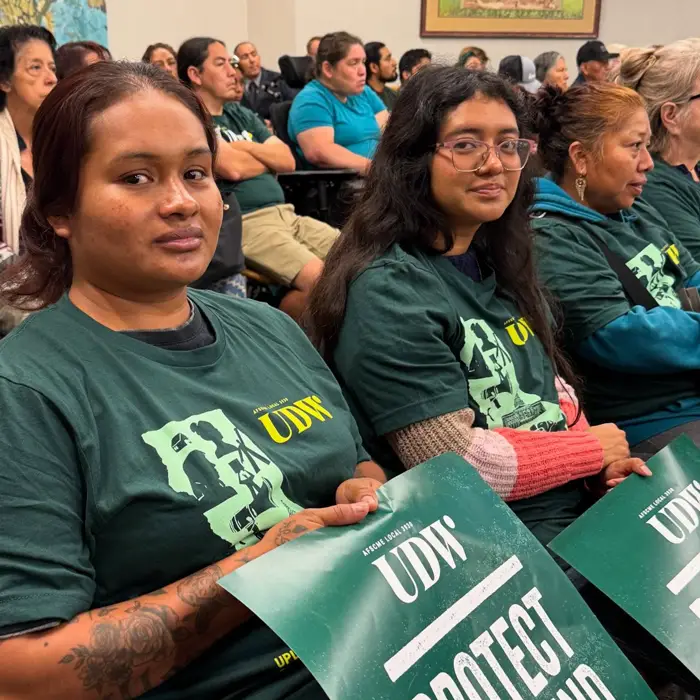
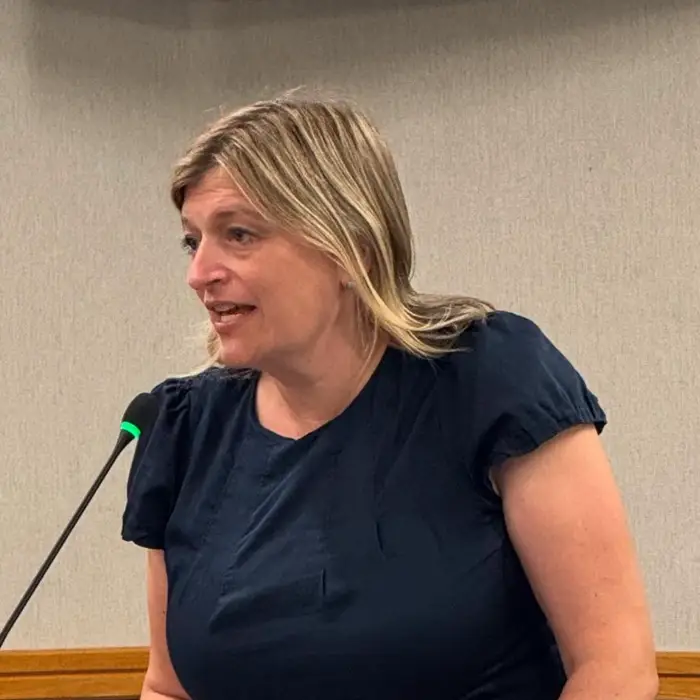
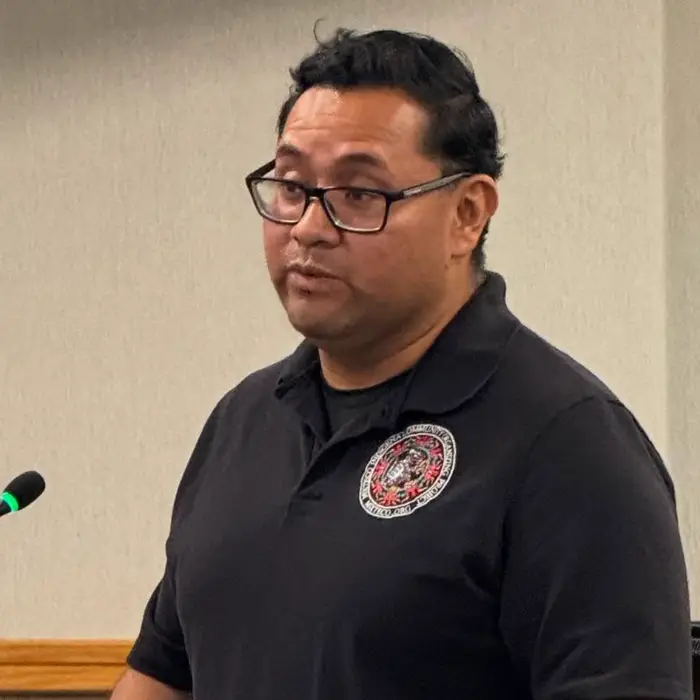
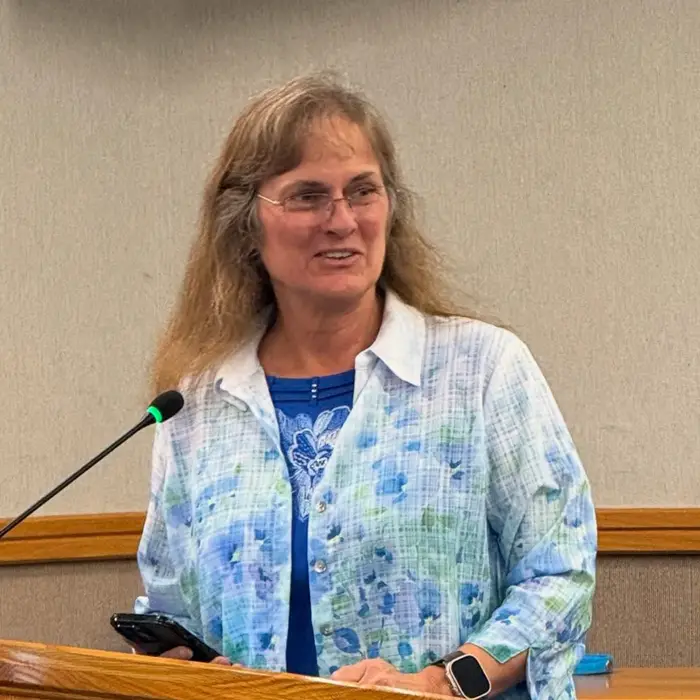
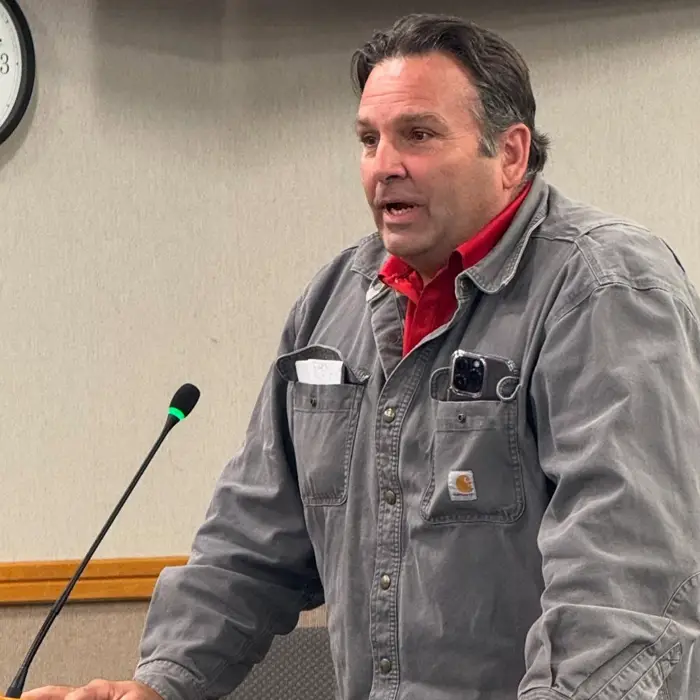
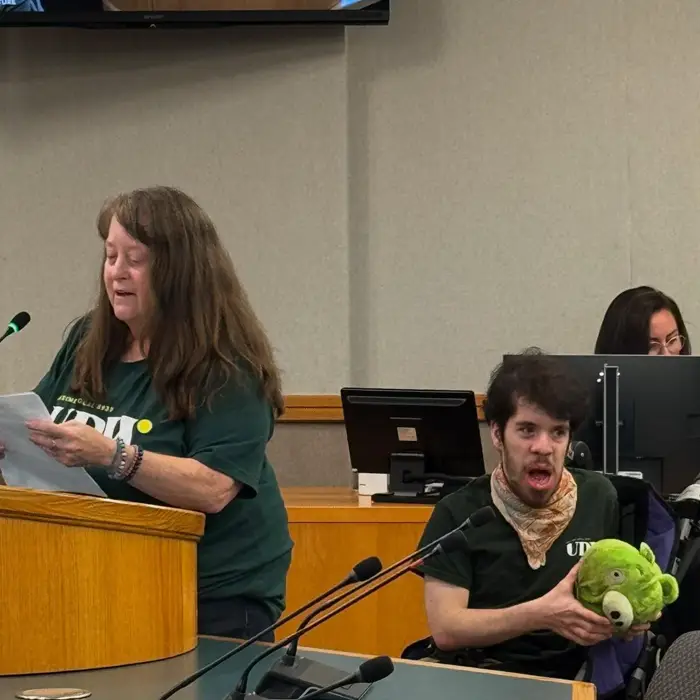
learn about caregivers fighting for fair wages and better conditions across the state




caregiver news
state ihss news
- Department of Social Services: Request for IHSS proposals - Lake County News,California
- Dr. Oz points to powerful California unions as ‘biggest beneficiaries’ in Medicaid fraud scheme - New York Post
- California’s Medi-Cal has a bad case of fraud — and there’s only one cure - New York Post
- Oz’s Medicaid Fraud Claims About California and Minnesota Lack Context - FactCheck.org
- Governor Newsom announces California will raise statewide minimum wage - California State Portal | CA.gov
- California Does Medicaid Home Care Well. They’re Being Punished For It. - Mother Jones
- Hundreds of Thousands Could Lose Home Care as Federal… - inkl
ihss history
before ihss
Before the 1970s, people with disabilities and seniors who couldn’t care for themselves had very limited options. Most ended up in state hospitals, nursing homes, or other institutions—often far from family and at very high cost to taxpayers. Family members providing care at home were largely unpaid, unsupported, and invisible in public policy.
In the mid-20th century, several forces started to shift this model. The Independent Living Movement of the 1960s–70s advocated for disabled people to live in their communities with dignity, not in institutions. The broader civil rights and disability rights movements pushed government to provide equal access, autonomy, and financial support. And the creation of Medicaid in 1965 opened the door for states to fund community-based care as an alternative to institutional care.
Founding of IHSS
In 1973–1974, California launched In-Home Supportive Services (IHSS) as a pilot program in select counties, originally administered under Aid to the Blind and Disabled (ABD). By 1979, IHSS expanded statewide, allowing low-income seniors and disabled residents to hire caregivers—including family members—using state, county, and federal funds.
The core purpose of IHSS was (and remains) to prevent unnecessary institutionalization, save taxpayer money, and allow people to remain safely in their own homes…
helpful links
unions for ihss caregivers
- SEIU Local 2015 – IHSS Caregiver Union
California’s largest long-term care worker union, representing over 400,000 caregivers.
- SEIU United Healthcare Workers West (UHW)
A major union of healthcare workers in California, advocating for quality care and fair wages.
Mandated Reporter Info
- CA Mandated Reporter Guidelines – CDSS APS
Official state guidelines on mandated reporting for adult protective services.
- IHSS Mandated Reporting PDF
A PDF overview of confidentiality and mandated reporting rules specific to IHSS caregivers.
Caregiver Wellbeing
- The Care Steward — about Burnout
Expert resources, trusted guides, and real human support to help families navigate care crises with clarity and confidence.
