

The federal government has a new target. It isn’t waste. It isn’t corporate fraud. It’s your family caregiver.
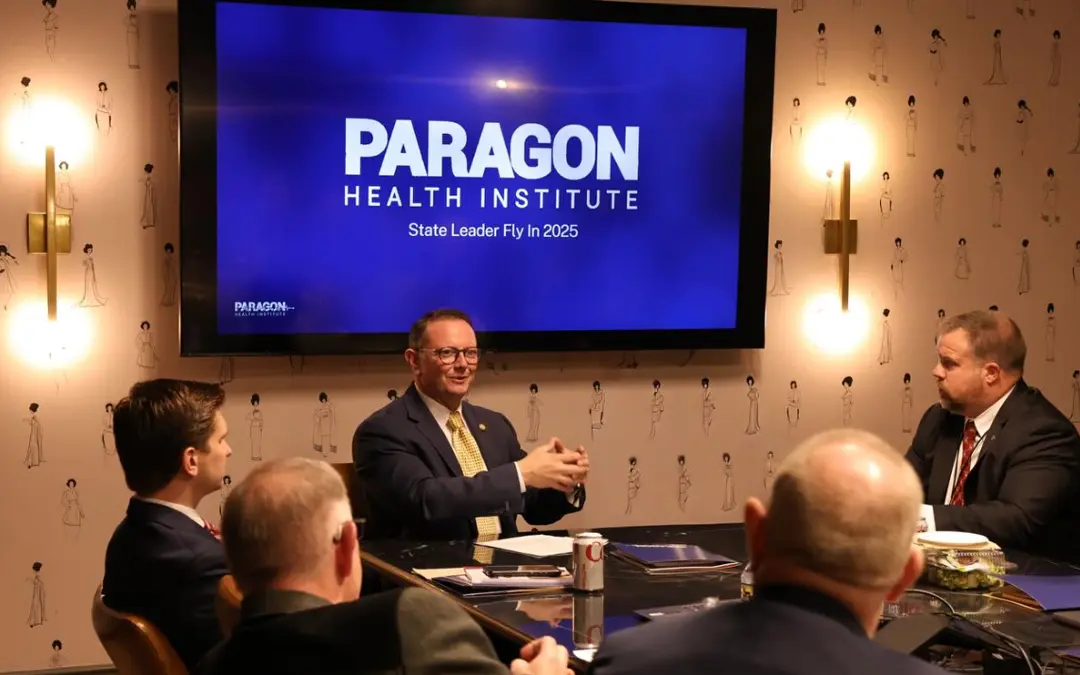
The Paragon Institute — a conservative think tank with direct ties to the Trump administration — published a report in early 2026 recommending that the federal government prohibit Medicaid from paying relatives or household members for home care. They frame it as fraud prevention. In their own words: “States and CMS should investigate, curb, and consider prohibiting Medicaid payments to family members for caregiving services.”
This is not a rumor. This is not a proposal being floated in a think tank hallway. The “One Big Beautiful Bill Act,” already signed into law, cuts $911 billion from federal Medicaid over ten years. Cuts begin taking effect October 2026. The family caregiver ban is the next step.
This is not a California issue. Across the United States, millions of families depend on Medicaid home care programs to keep their disabled children, elderly parents, and loved ones with complex medical needs at home — cared for by the people who know them best. An estimated 4.3 million Americans who rely on Medicaid home and community based services are at risk. When paid family caregivers lose their income, the work doesn’t disappear. It falls to whoever is left — including, in millions of households, the children.
For California’s 900,000 IHSS recipients — 73% of whom have a family member as their caregiver — this is not abstract policy. It is the difference between a disabled child living at home with a parent who knows them, and being placed in an institution. It is the difference between a caregiver parent keeping the lights on, and financial collapse.
We built a page that lays out exactly what is happening, who is behind it, what the evidence says, and what you can do right now. It includes a direct email tool so you can contact your elected officials in minutes — with a letter, easily edited, already written for you.
Read the evidence. Use the tool. Make noise.

0 Comments